

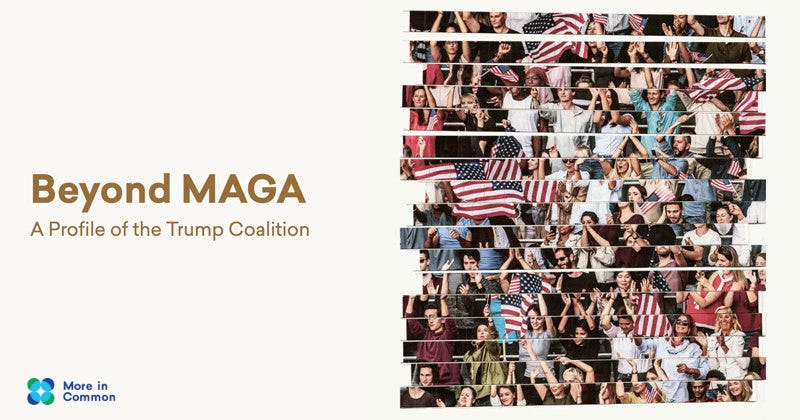
More in Common’s new report, “Beyond MAGA: A Profile of the Trump Coalition,” examines four voter groups who cast ballots for President Trump in 2024. While these groups share support for Trump, they differ in their motivations and characteristics:
The Democracy Group spoke with More in Common Research Manager Paul Oshinski, who broke down the report’s findings, explored the differences among these groups and shared insights into what motivated Trump voters.
The study found that Trump-supporting groups are more likely to believe that the country is currently in crisis than the U.S. average and blame issues like open borders, crime and homelessness. Why is this perception common among Trump voters?
Paul: I would say the phrase “existential crisis” comes up a lot. A lot of people, especially the MAGA Hardliners, have almost a religious connection to Trump. They’re fiercely loyal and see politics as a moral battle between good and evil. To them, Trump is — I don’t know if “savior” is the correct word — but someone who needs to be elected to win the moral battle that’s happening in America.
When you think about some of the policies, perhaps if you were a Democrat, you would be shocked that people would support bringing the military into cities or extreme deportation practices. What we found in the study is that right now it does feel like a battle of good and evil and an existential threat, which I think is probably why Trump voters support more extreme policies when it comes to things like immigration.
We also asked in our survey, “Who is the best American alive?” and one of the things we saw is that people picked Trump overwhelmingly over almost any other person. In fact, one of the second-highest was no one. I think Trump has this picture in some people’s heads that is pretty unrivaled.
Tell us more about the Reluctant Right.
Paul: It’s a group that’s ambivalent about Trump personally. They don’t regret their vote for him, but they considered him as “the lesser of two evils” or the less bad option.
The Reluctant Right is a group with economic concerns. I think if you’re a voter, maybe you lean slightly conservative and you were concerned about inflation in 2024, and maybe you don’t like how Trump behaves and his demeanor, but at the same time, you have a real economic frustration right now. That’s probably what partially explains the Reluctant Right.
What other findings stood out in the study?
Paul: I think there was a fairly unexpected shift in young people in Trump’s coalition of 2024. One of the things we found in the study was a surprising level of new traditionalism. When you look at young Trump voters, especially those who are men, a lot of their beliefs around gender are more traditional compared to older Trump voters, which is somewhat counterintuitive.
Some of the more reluctant voters probably feel his policies have gone too far, especially on immigration, and were probably never supported by this group in the first place. But these people are not motivated to take action and vote for Democrats tomorrow. I think dispelling that myth is important.

One of our Best of 2025 episodes, this conversation on Democracy Works explores the growing far-right movement and the Trump administration through the book "The Undertow: Scenes from a Slow Civil War" by author Jeff Sharlet. Give this a listen!
Subscribe to receive a biweekly collection of the hottest podcast episodes from the network, upcoming special events, expert features and news from your favorite shows.
Subscribe to our NewsletterThis is Jessie Nguyen, The Democracy Group's Community Manager. Here are some of my favorite podcasts this week, check them out!

"The lesson is always that when you mix science and politics, you get politics," said Anthony Fauci on the Good Government Show. The episode explores Fauci's 54-year career in public health, challenges facing the industry today and the role of government in public health.
The fastest-growing demographic group in the U.S., Latinos have been on the fence when it comes to voting between the two political parties. Assistant professor Sergio Garcia-Rios joined the episode to discuss Latino Americans' identity portfolio, why many still support President Trump despite severe immigration practices and what to expect in upcoming elections.

The Politics Guys returns with a timely conversation on yet another government shutdown and Democrats' proposals regarding Immigration and Customs Enforcement (ICE). Host Mike Baranowski and Trey Orndorff provided an analysis of current events and discussed the upcoming midterm elections.

David Kusnet is a former chief speechwriter for President Bill Clinton. He has authored five books on political, economic and workplace and social issues. Kusnet has lectured on government and politics and other issues at the University of Virginia, Georgetown University and more.

Jason Pack is host of The Disorder Podcast discussing global issues and founder of Libya-Analysis LLC, a consulting firm providing research, analysis and forecasting on Libya. The geopolitical analyst is also the author of "Libya and the Global Enduring Disorder."
Subscribe to receive a biweekly collection of the hottest podcast episodes from the network, upcoming special events, expert features and news from your favorite shows.
Subscribe to our Newsletter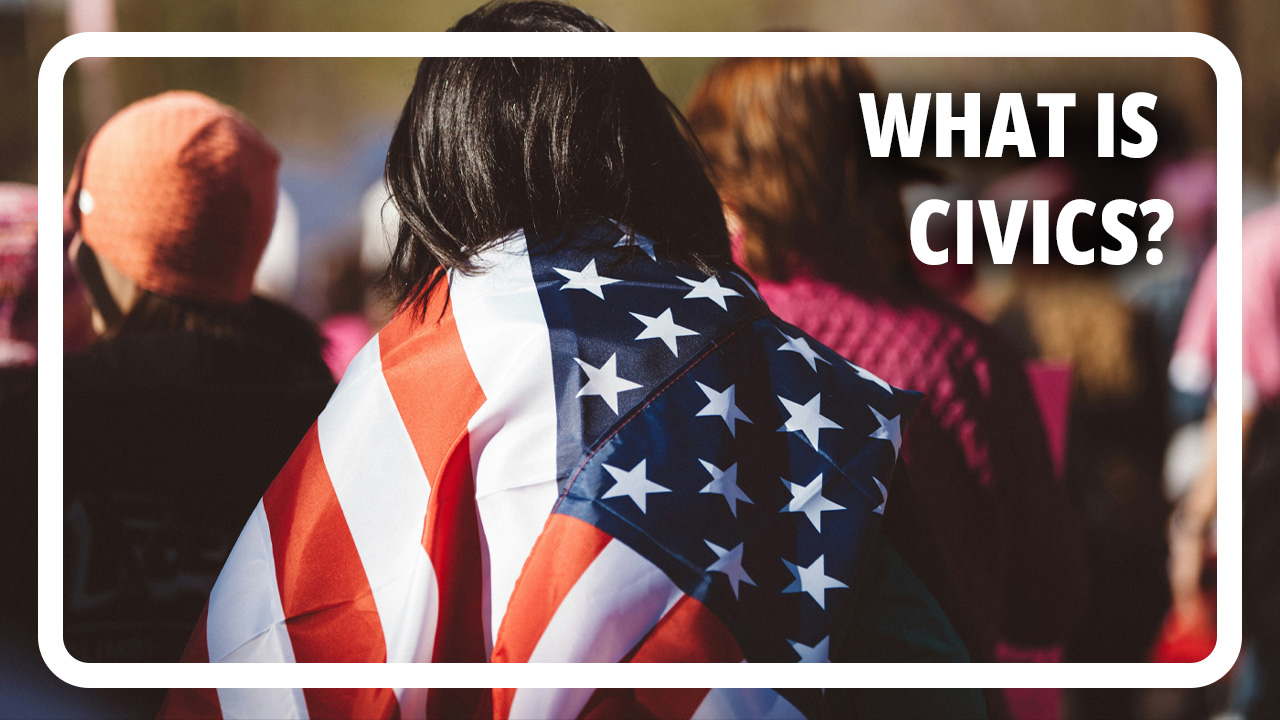
What is civics, and why does it matter for the future of democracy? Learn how understanding civics—being informed, taking action, and practicing civility—empowers citizens to protect their rights and actively participate in shaping their government.

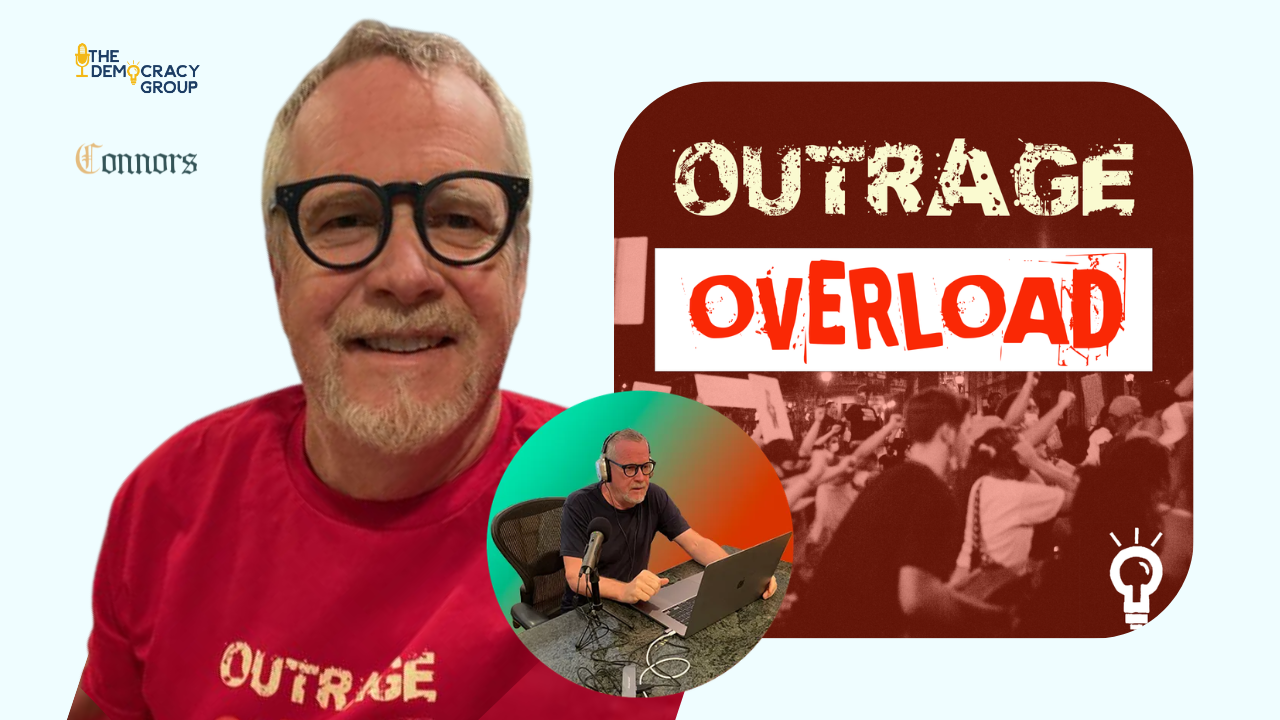
Host David Beckemeyer discusses outrage culture, why we seem to be angry all the time and how to tune out the rage.

The Democracy Group is now on Substack!
Engaging in civil discourse. Inspiring civic engagement. Exploring the future of our democracy.
Join our community and never miss your favorite episodes from the Democracy Group.
Subscribe to our Newsletter